
Summary
Five ways to stop the dark, cold months from stalling your progress and why winter might just be the best training ground you've got:
Pick a wake time and protect it, because a confused body clock is one of the biggest energy drains there is
Get bright light early, and if the sun isn't up yet, bring the light to you
Keep the bar low through the festive season to keep the momentum alive, instead of starting from zero in Spring
Swap the gym you're not going to for 10 minutes of movement in your living room
Embrace it - winter isn't good for us despite being hard, it's good for us precisely because it's hard
It’s 6:30am on a Tuesday in the depths of November. Your alarm goes. It’s pitch black outside, the rain is tapping on the window. Meanwhile, your duvet is making a very compelling argument for staying exactly where you are. And it’s winning. You hit snooze and drift off back to sleep, telling yourself: “just 15 minutes more.”
Summer races are won in winter
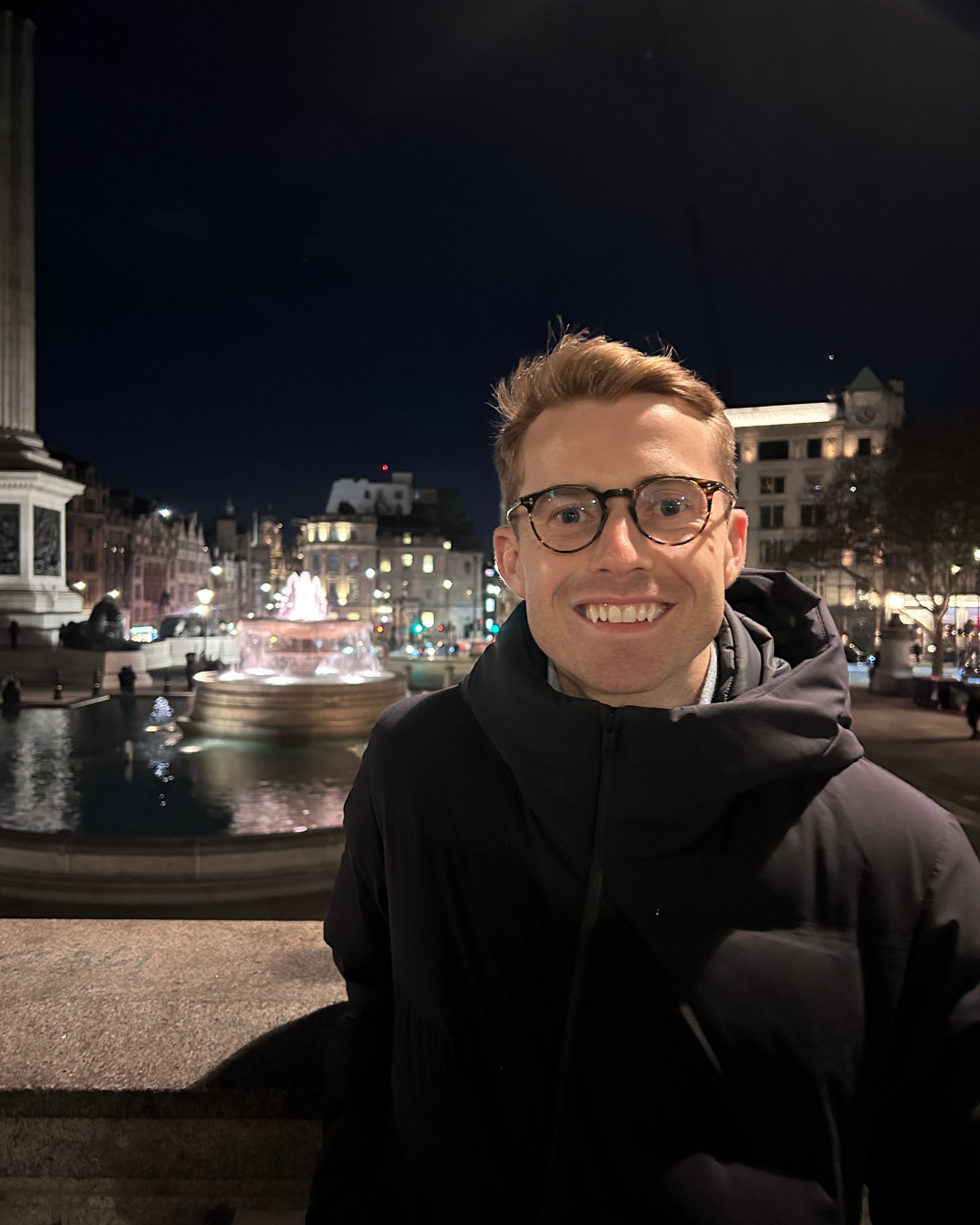
My advice is to choose just one of the five actions below that feels right for you.
There’s a saying in the triathlon world: summer races are won in winter. The athletes who show up on the start line in June ready to perform, aren’t the ones who trained hard in May. They’re the ones who kept showing up through the cold, dark, miserable months when nobody was watching.
I believe the same is true for life. A meaningful and successful life isn't lived only outside of winter. It’s lived in the dark mornings of these coming months too.
Here are five things that have helped me to stay consistent during winter and they might just help you too.
1. Hold your wake time
When it’s dark outside it’s very easy to let our wake time slip. 6:30 becomes 7:00, becomes 7:45 and before we know it our body clock has drifted later and later, leaving us groggy, sluggish, slow to get going in the mornings and feeling flat.
Our body loves consistency. Research highlighted by the sleep scientist Dr Matt Walker has shown that sleep regularity (i.e. how consistent our sleep and wake time are) can be an even stronger predictor of short-term performance and long-term health than sleep quantity.
A confused body-clock is one of the most common energy drains, while a consistent sleep-wake timing is one of the most powerful boosters for all day energy there is. So pick your wake time this winter and protect it.
2. Get bright light early
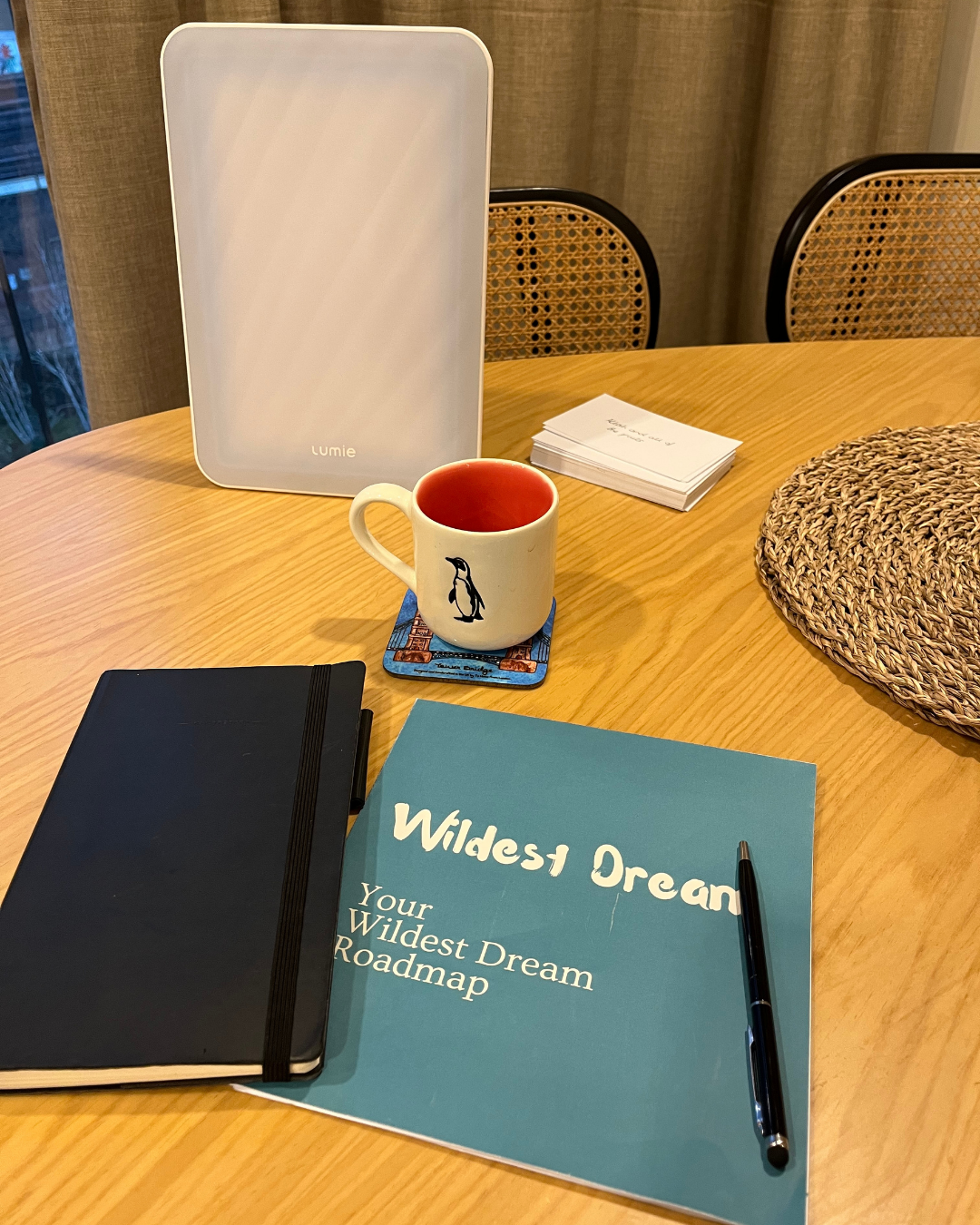
I start every morning in the winter with my SAD lamp. I’d highly recommend it.
As we head deeper into winter, the sun rises later and later. Without morning light, our body never gets that clear signal that the day has begun and because it's cold outside, when the sun is up, we often minimize time outdoors.
We then end up dragging ourselves through the winter, half-asleep because of the lack of sunlight. So get outside as soon as you can once it’s light, perhaps for a morning walk or to go grab a coffee (aim for 20 minutes when it’s cloudy, 10 if it’s sunny and clear skies).
And if you are up before the sun, bring the light to you. I sit in front of my SAD lamp with my morning journal. The artificial light is not a substitute for sunlight (I still get outside once the sun is up), but it's enough of a signal to click in motion my circadian rhythm each morning before the sun shows up.
3. Keep the bar low
December is the season of Christmas drinks, office parties and “just one more” mince pie. Our routines get disrupted, so we do what humans love to do: we go all or nothing. And it usually ends up being nothing. Then Spring arrives and we are starting again from zero, beating ourselves up for “letting it all go.”
How do we prevent this cycle from repeating itself this winter? The fix is to keep the bar low. You don’t need to hit your full routine every day through the festive period. You just need to keep those healthy habits alive.
Read one page. Do one minute of meditation. Do just one spin or yoga class each week instead of your usual three. Keep the lights on, maintain some momentum while still enjoying the Christmas festivities, so that when the weather turns again you are ready to dial it back up.
4. Move for 10 minutes in the morning
It’s cold. It’s dark. The gym feels like it’s on the other side of the world. So we stop going, we move less and we feel worse. Then, because we feel worse, we move even less.
The fix here doesn’t have to be heroic. Break the cycle with just 10 minutes of movement in the morning - enough of a stimulus to get your blood flowing and switch on your brain for the day.
No gym required. Squats, push-ups or lunges in your living room. Lay out your kit the night before so there’s nothing standing between you and getting started. Remember, emotion follows motion. You won’t feel like doing it. Do it anyway and the positive emotions will follow.
5. Embrace it
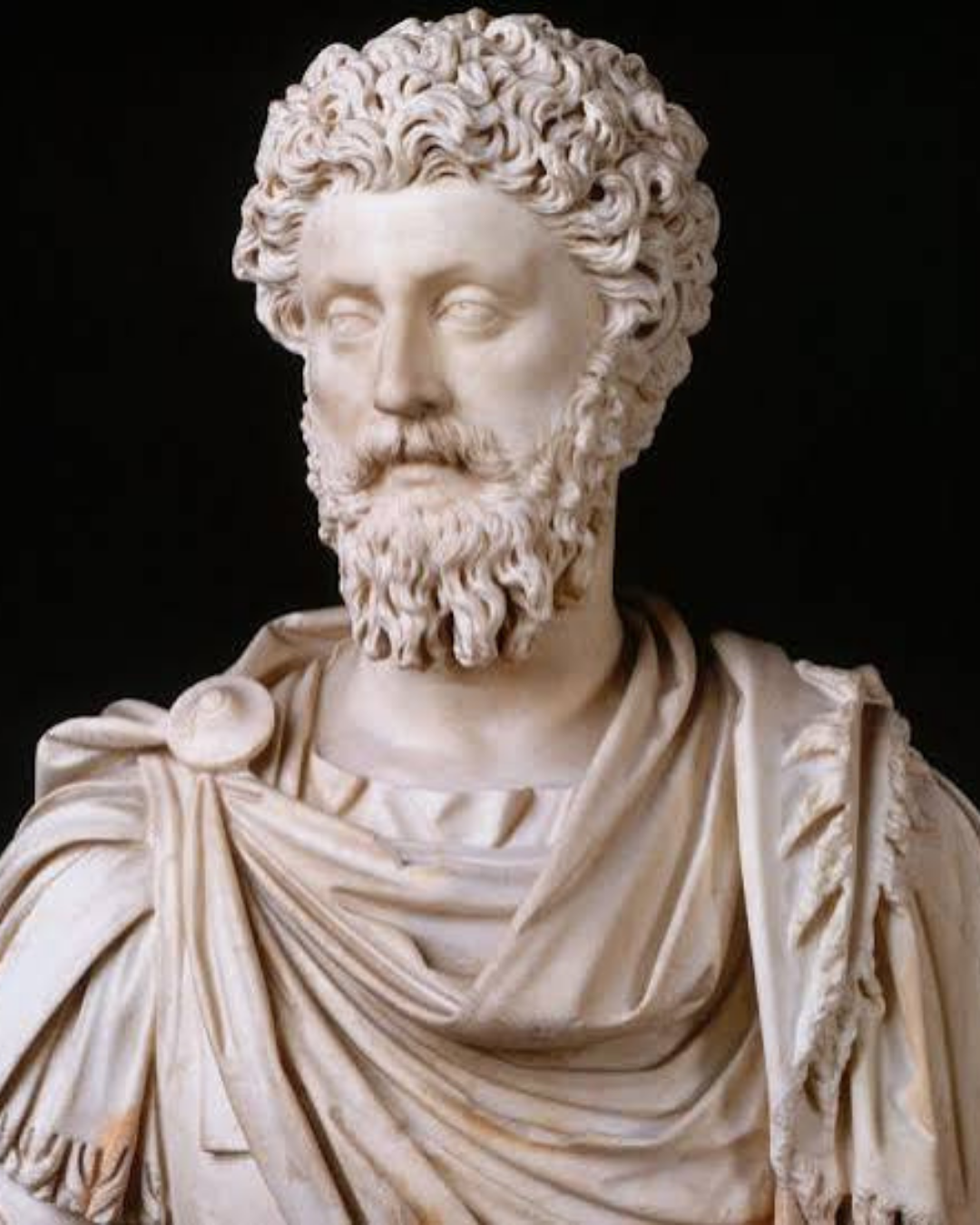
Difficulty getting out of bed is not new, just ask this Roman Emperor!
Nearly two thousand years ago, a Roman Emperor was having the exact same battle with his duvet, as Marcus Aurelius wrote in his journal:
“In the morning when you find yourself loath to rise, remember this: ‘I am rising to the work of a human being.’ Why then am I dissatisfied if I am going to do the things for which I exist and for which I was brought into the world to do? Or have I been made for this, to lie under the covers and stay warm?”
I find enormous comfort in this. The - at the time - most powerful man in the world found getting out of bed hard too. It’s not a character flaw. It’s being human.
And the Stoics believed that hardship is great training for the mind and soul. I’ve come to see winter the same way. It’s not good for us despite being hard. It’s good for us precisely because it’s hard.
Every dark morning you get up when you said you would, every low-bar habit kept alive through December, you are building something. Not just routine, but belief in yourself. Proof that you are someone who shows up, regardless of the weather or external circumstance.
Then, once we come out the other side of winter, tougher and more resilient, we carry that confidence with us into the rest of the year. Waking up early on a summer morning then becomes easy, once you’ve trained yourself to do it through winter.
A couple of questions for you:
Which habit usually slips first for you when winter arrives? What is the low-bar version which you could commit to?
What would your 10-minute morning movement routine look like and what can you set up tonight to make it easier tomorrow?
Deepen Your Curiosity
Meditations by Marcus Aurelius - the Philosopher King's private journal and the source of that duvet battle. Short, packed full of golden nuggets and still incredibly relevant nearly two thousand years later.
Huberman Lab: Master Your Sleep & Be More Alert When Awake - a brilliant 40 minute podcast episode on the science and practical tools of increasing wakefulness. Skip to 10:16 to learn more about the science and power of morning light.
