
Summary
Motivation is important, but so are systems. If a goal is getting the promotion, then the system is what you do every day, week, month and quarter to get you there:
They are the tools and strategies that help you stay on track.
Systems need to be written down and constantly referred back to.
In the below article I share my own examples, but please make them your own.
You know that feeling
You’re standing outdoors somewhere on NYE, you see the fireworks pop, you turn to your partner and say, “this year, I’m going to do it. I’m going to change careers, run a half marathon and lose a bit of weight.” You might also have had that feeling after one of our community events or workshops, where everyone in the room is incredibly encouraging, inspiring and tells you, “you can do it!”
That “this is going to be my year” feeling is called motivation. It’s brilliant, it’s that thing that opens our mind to new possibilities, it helps us inspire both ourselves and others. But that buzz is not always going to be there for you.
Your system will always be there for you. When you’re tired, stressed and feeling awful, you can’t fall back on your motivation. But that’s okay, because whilst your motivation will abandon you, your system won’t. So what even is it?
Your system is that set of recurring behaviours - that are 100% in your control - that help you step towards your goals and dreams.
Now, I won’t make the rest of this blog sound easy. I’m not going to tell you, “don't worry, just do one of these five things." A system is complicated because your life is complicated. But even the most complex things follow a sequence. Even the most complex things happen one step at a time.
I’m going to share what works for me, but I need you to find what works for you.
For example, it’s pretty clear that your life is better when you take time to slow down and reflect. For me, the tools that get me there are meditation and working out, for you it might be journalling and walking. Find what works for you.
So, let’s build this system: daily, weekly, monthly and quarterly.
Daily systems
The goal of having daily systems is to ensure you don’t leave it up to chance how you feel when you wake up in the morning. There are a lot of things that work for me, but these are the ones I believe are mission critical:
Go to bed at the same time: Pat wrote about this here. The main point is this from Dr Kristen Holmes, Principal Scientist at WHOOP: “the one behaviour most predictive of physiological and psychological functioning is the consistency of our sleep-wake timing.”
Don’t wait until 2am to process your day: if you’ve ever lain awake processing a conversation from work, you know what I mean. It’s not good for us to disrupt our precious sleep with BS from the day. I find it better to clear my mind throughout the day.
The first way is through meditation (I’d recommend Headspace if you want to get started or the one I use is o-p-e-n which is a more progressive and assumes a base level of meditation knowledge).
The second way I process my thoughts and feelings is with a sweaty workout. I might be a cliché but I train a lot for my Hyrox races. Research has shown that a sweaty workout “washes” your brain in the same way that sleep does. You might not do Hyrox, but you can certainly get sweaty.
Treat your body like a temple (especially before bed): I’ve not heard that phrase for a while, so there it is. I find this daily system the hardest, but I’ve learnt a couple of tricks that work for me.
The first is to shop in the morning when I’m not hungry - me shopping at 10am looks like vegetables, 5pm looks like crisps. The second is that I do love a dessert, so if I have one, I try to have it after lunch to avoid pumping my body with sugar before bed.
I asked Georgie a nutritional therapist from Knox Nutrition about this and she gave me this advice:
“Making sure you eat your dinner 2-3hrs before bed, gives your body time to digest your food which can help promote a more restful sleep. Highly processed meals, or meals high in saturated fat and sugar, particularly when paired with alcohol, can disrupt sleep quality. Instead focus on whole foods, and if you often find yourself reaching for a snack later in the evening, make sure you’re eating enough protein, fibre and healthy fats with your dinner to keep you feeling satisfied for longer.”
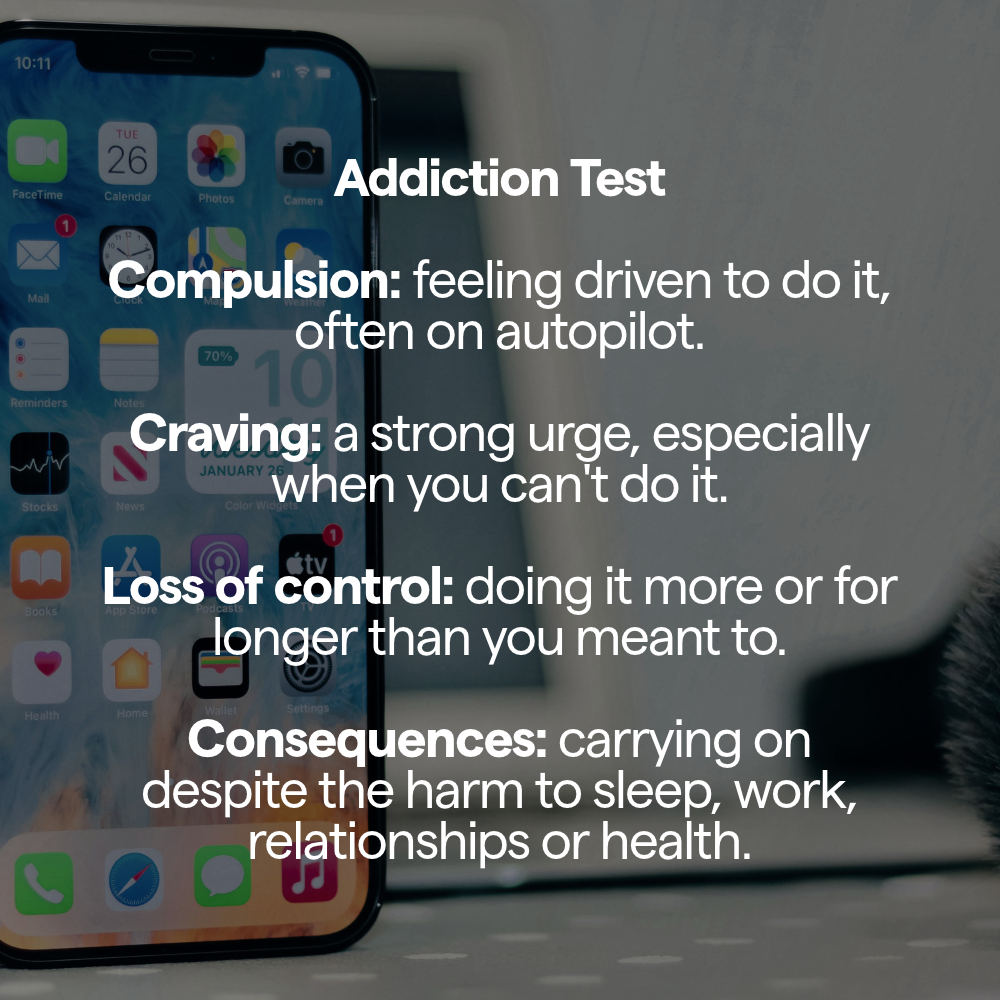
Ditch your addiction: you’re addicted to your phone, I am too. If someone tells you they’re not, just ask them to look at the classic “4 Cs of addictive behaviour.” It’s unreasonable to be off your phone for the whole day, but do it in the first waking hour and you’ll see tremendous benefits.
Here are two things I do to ditch the addict: (1) I check my phone before bed if I have something urgent to do the next morning and write it on a post it note; (2) I downloaded the apps I use (o-p-e-n for meditation and Duolingo for Italian practice) when I wake up on my iPad so I don’t get tempted into WhatsApp and Instagram.
Not everything above will work for you, but some will - take what works and ditch the rest because if you get out of bed the right way and you’ll end up having a great day. If you have a great day, you’ll step towards your goals.
Weekly systems
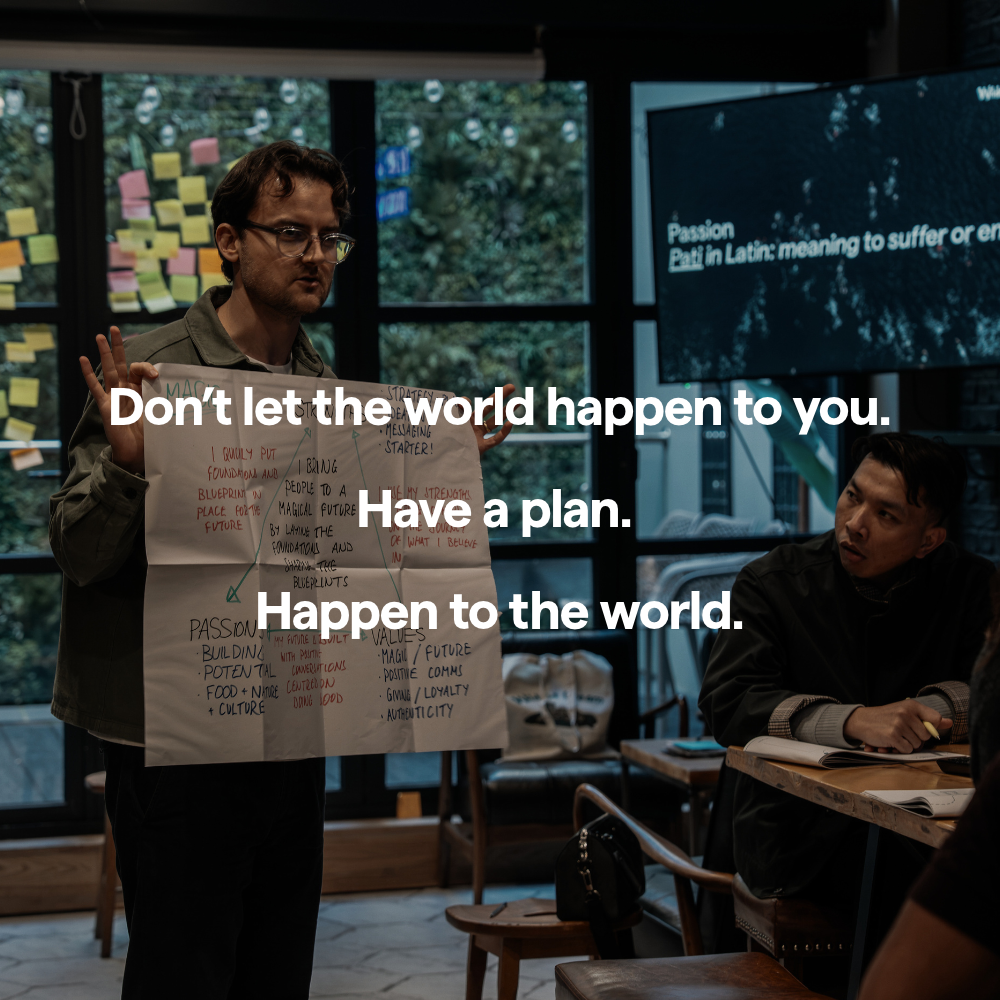
The main upgrade I want you to bring into your weekly system is having a planning routine. This is important because the people that make a real difference to their lives are the ones who wake up on Monday morning and know what they’re doing that week.
Here’s what it looks like for me: on a Sunday I’ll sit with my Apple Notes page and write down what I want to achieve that week. I’ll usually choose about five things I want to work on for work and I have a much longer personal list of things to do.
For example, my work list this week is:
Steps workshop agenda
Steps adverts
Financial follow ups
Organisation - push & strategy
Content per plan + blog
Then underneath each of the above, I’ll have a list of all the Tactical Actions I need to work on for that. For example within “Content” I have:
Instagram:
Stories
2 carousel
1 reel
LinkedIn
WD blog
Organisation blog
Personal post
Blog & email
My personal list includes everything from flight bookings to cat vaccines and paying our Italian teacher.
I’m quite a fluid person so I usually won’t have a structured plan for the whole day but I’ll work on whatever is most important / urgent. It has taken me many years and iterations to get to a point where I can write my weekly plan in about 20 minutes. I experimented with a lot of ideas - I know a lot of people like to block out their calendars, write post-its or keep journals - but you have to find what works for you, try it for at least a month then switch it up if needed.
Monthly and quarterly systems
This is the easiest one on the list because it means booking future commitments that will reignite that motivation. Here are two ideas:
Join a community: we started Wildest Dream community events to provide that space to be motivated and inspired with like minded people. If you’re not in London, I’m sure there are many out there!
Check in with mentors: meeting up with your mentors is very important, because they are in your corner, they’ve seen it all before, and they’ll encourage and support you to get back on track. We think about mentors as providing support in four ways - it might be four people, or it might be one who does all four:
Emotional: who really gets you and will make you feel better when you feel down?
Knowledge: let’s face it, you don’t know everything. Who can you lean on to expand your horizons?
Challenger: who’s going to call you out when you’re playing small?
Network: who has access to the people you need to meet?
An important side note about mentors is that they don’t need to know that they’re your mentor. You can still meet up with these people, pick their brains without having a formal mentor agreement. Personally, I have three mentors and none of them carry the title of mentor.
Finally
I know the above is a lot, but your life deserves attention to detail, it deserves hard work, and it certainly deserves a system to fall back on when you’re feeling sub-optimal. Take what works for you, adapt some bits and discard the rest.
But finally, enjoy life. Sometimes you go to bed late. Sometimes you eat a steak in Italy at 11pm and feel sick. Sometimes you have no plan, and sometimes you plan so much you're stressed up to your eyeballs. Sometimes you miss the community event and forget what your goals even were. But then you remember.
You remember that we all suck sometimes. The best of us just have a system that helps us get back on the horse. Some people will be left in the dust feeling sorry for themselves. Others will be covered in dust, blood, sweat and tears, riding into the sunset, chasing their wildest dream.
Deepen Your Curiosity
The Wealth Money Can’t Buy by Robin Sharma is full of 100s of tools you can use to build your system.
Research done to show how your brain clears out during exercise.
O-p-e-n meditation is the app I use. It has great breath work, guided meditations, sleep practices and a lot more.
I mentioned some nutrition advice I received from my sister in law, Georgie Knox - if you want to check out what they work on, you can check it out here.
