TOPIC
Mindset
The beliefs you hold about yourself shape everything. Explore how to work with your mindset, not against it.
Insights on mindset
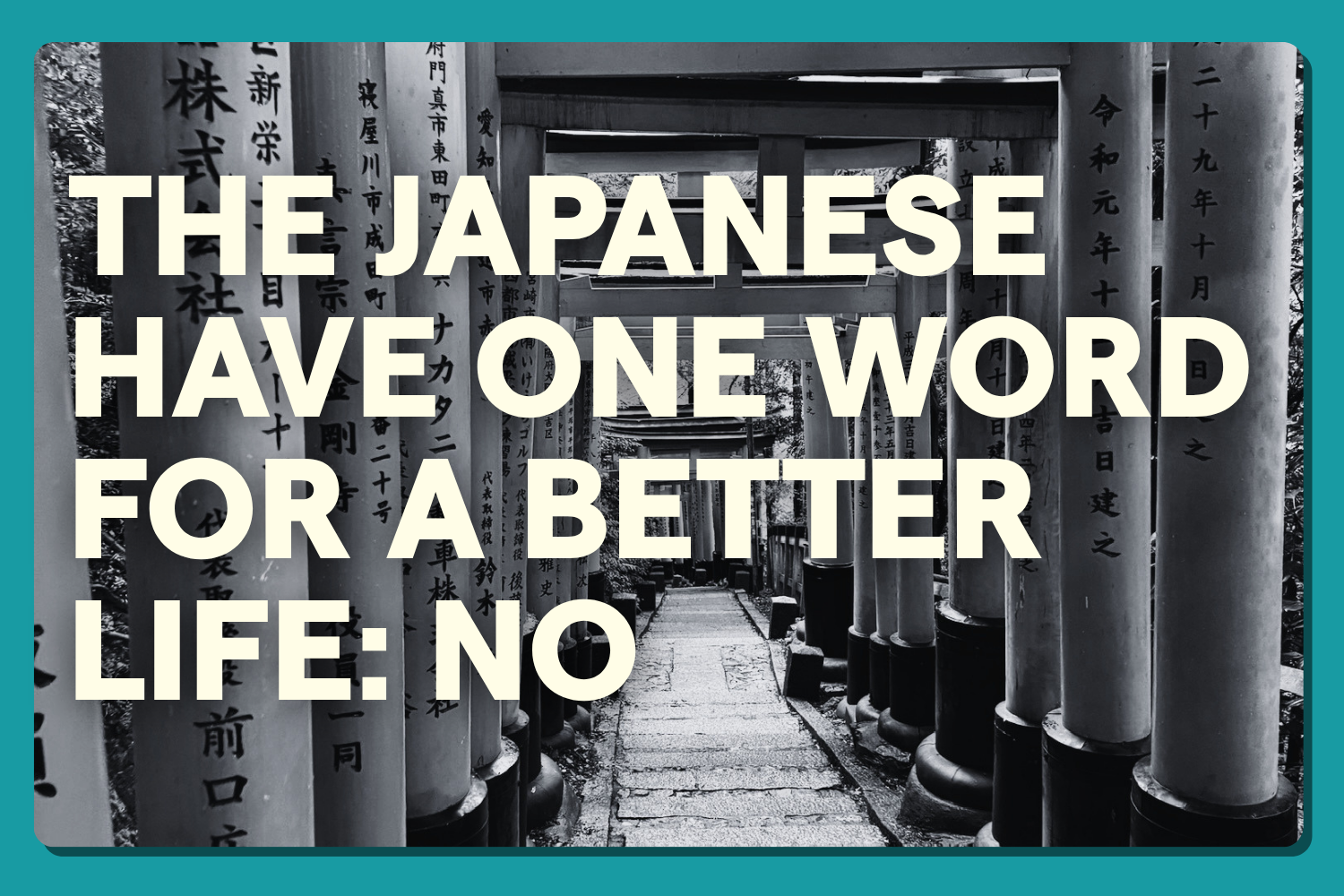
Seven countries. Seven moments that cracked open a new way of thinking. From the urgency of India to the perfectionism of Japan, the world is full of people doing life differently - and doing it brilliantly. Jack shares the mindset shifts that four years in Asia gave him, and what you can steal from each one.
Problems don't disappear when life gets better - they just change. The goal was never a problem-free life. It was always about getting better problems. Pat unpacks why accepting problems is the first step, and how to take action to trade yours in for ones worth having.
Emil Barr - a young American entrepreneur who, by the age of 22, had built two companies valued at more than $20 million - wrote a Wall Street Journal op-ed titled “Work-Life Balance Will Keep You Mediocre.”
Barr’s argument is simple and unapologetic - he claims that pursuing work-life balance actively holds people back from exceptional success. It’s bold, it’s uncomfortable to read. But is it true?
“Many people are happy to just give 10%, I just don’t know any of their names.” - David Sedaris. 100% effort for me doesn’t always mean hard work and eating lunch at my desk, it means taking the risk to be wrong. In a startup, it’s hard to do a mediocre job when everything relies on a few people. Things will go wrong and make us feel silly. But at least here at Wildest Dream, we’re all well beyond 10% effort and if looking silly is the price we pay for running towards something we truly believe in, then it’s worth it.
As I sit here, writing this at 32-years-old, I do get that strong feeling that I am at a critical juncture in my life. There’s something about your 30s that makes you realise that you’re running out of second chances. That most of the doors in your life are already behind you. A moment that forces reflection on missed opportunities. It’s a mental stumble – the decade where “if only I had…” starts to surface.
Earlier this week, I had a moment where I felt it was all too much. I felt overwhelmed, stressed, and anxious. So many great things have been happening with Wildest Dream recently, but it’s been a lot. And in that moment, it felt like too much for me to handle.
As we continued to talk, I became more detached from the highly engaging conversation. Not detached because I was distracted, but because I was thinking. I’d had an insight.
I must have been listening to Taylor Swift that morning because about one hour and thirty minutes into the free-flowing conversation I was ready to interrupt. “Guys, I don’t think anything we have shared is particularly revelatory.”
That’s the thing about life, you have to try things in the full knowledge that it could be a terrible idea. A Brit moved to Sri Lanka to try the digital nomad life and ended up starting my new favourite Black Honey Café. So, try something, at the very least you’ll get a cool t-shirt, at best you might open a new café.
I am writing to you this week from a cafe in Amsterdam, having just completed the Half-Ironman at the weekend. As I sit to reflect on the race, I wanted to share those reflections with you. Find out what I learned and how you can start applying those learnings in your life today, to start living not good but great days.
Maybe it was the gym. You got the membership, bought the gear, and rode the wave of motivation for a week or two. But then work got busy, life got noisy, the wave flattened, you found excuses not to go and the new ritual slowly faded.
As I write to you and reflect back now, I think back to that moment of taking the decision. I was stepping into the unknown. I, as we all humans do, crave certainty, but I intentionally chose a path of great uncertainty. At the time, my mind was spiralling through all the things that could go wrong. What if I failed? What if we ran out of money? What if I wasn’t good enough?
Books we recommend
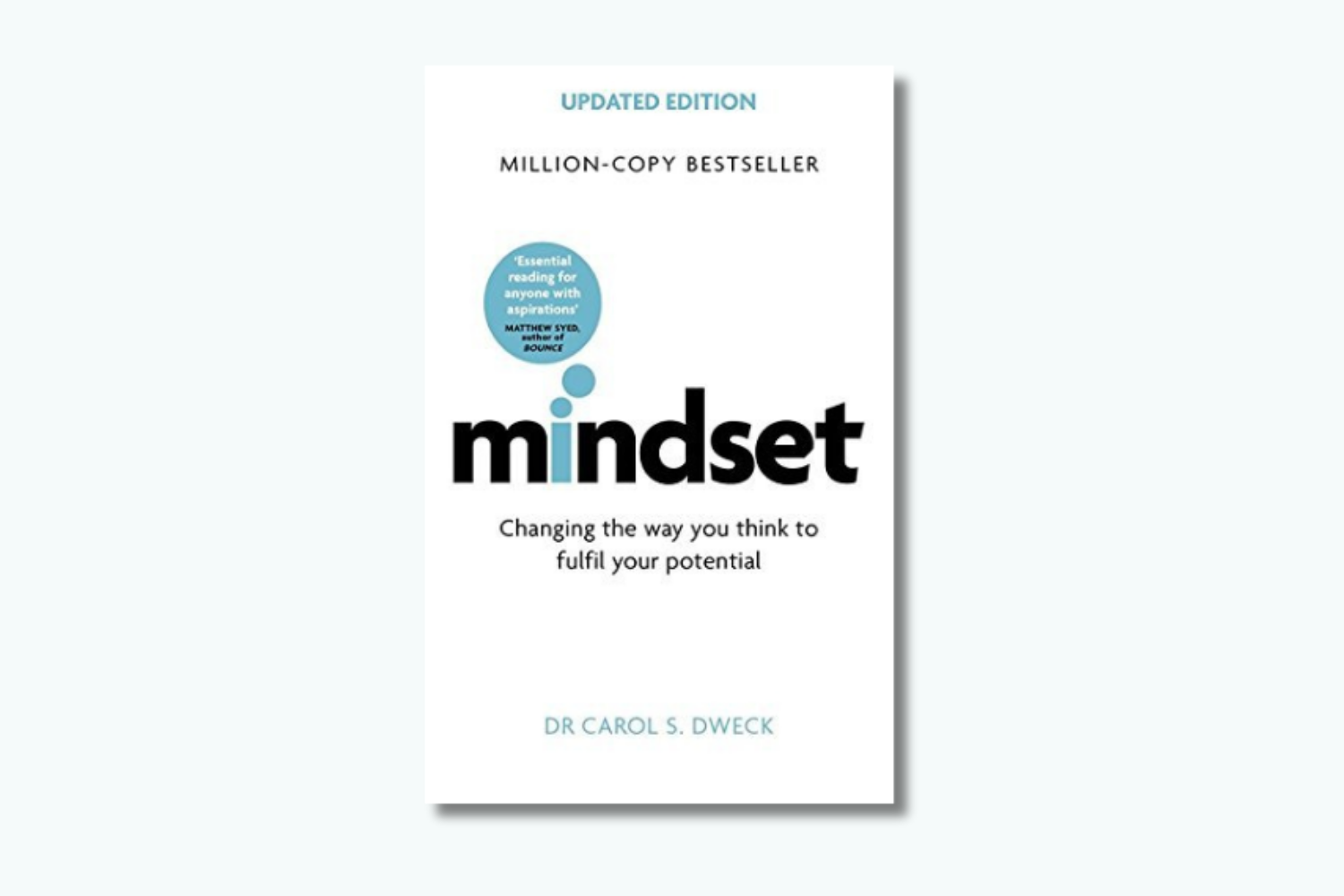
Most people assume their abilities are more or less fixed. Carol Dweck spent decades proving that belief wrong — and showing exactly what it costs us.