
What Branson Got Right About Happiness
Summary
We have more comfort, convenience and choice than any generation in history – and we're less fulfilled than ever. The research is clear: money helps up to a point, but beyond that, fulfilment comes from doing work you care about more than yourself. Frankl saw it in Auschwitz. Rockefeller lived it building an empire. Branson proved it on £20 a week and a night in jail.
The question isn't complex: what do you care about more than yourself?
Keep Reading
John D Rockefeller writing to his son
In ancient Europe, a man found himself in a wonderful place where he could enjoy everything in his afterlife. As soon as he stepped into paradise, someone who looked like a waiter came over and asked him:
“Sir, do you have any needs? Here you can have everything you want: delicious food, all possible forms of entertainment and all kinds of pastimes.”
After listening to the waiter, the man was a little surprised, but very happy.
Throughout the day he had been tasting all the delicious food whilst enjoying the taste of beauty. However, one day, he was bored, so he said to the waiter: “I am bored from all of this and I need something. Can you find me a job to do?”
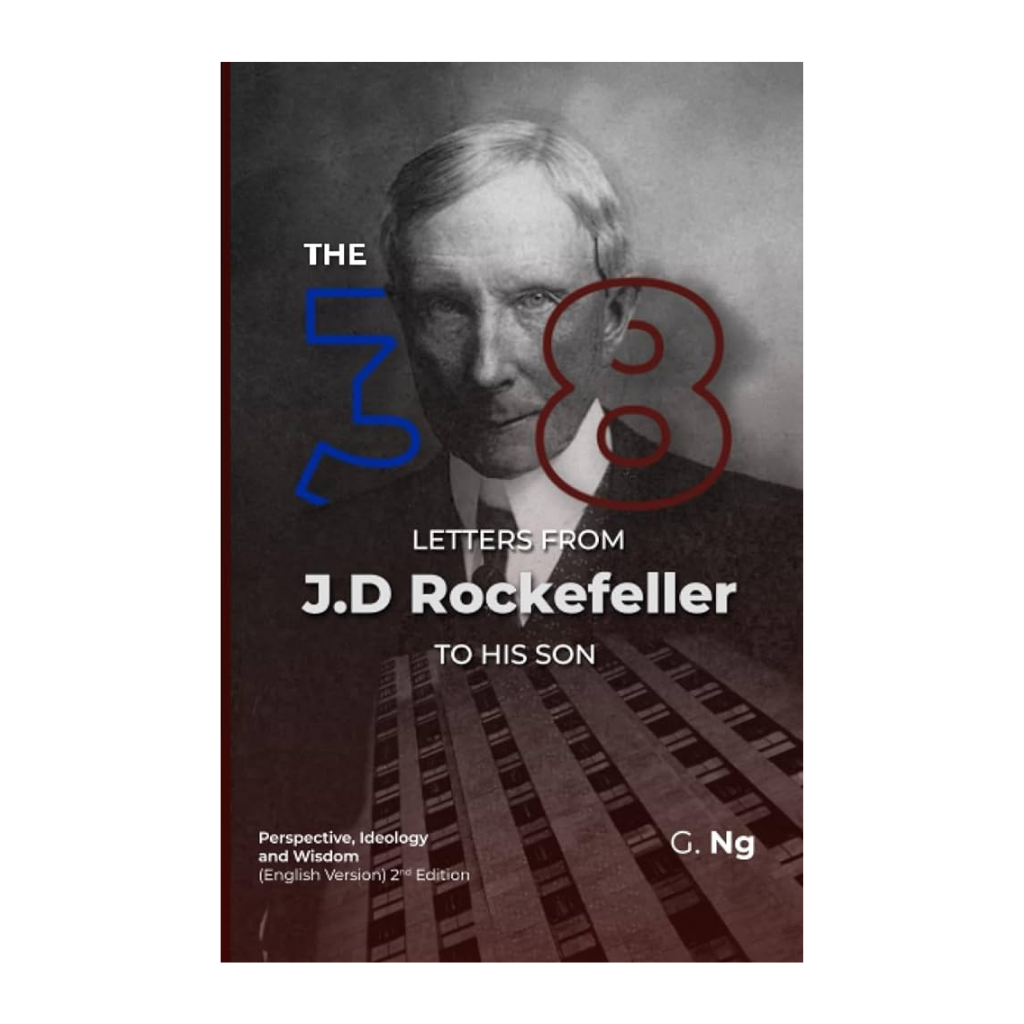
These letters were never meant to be published and we therefore get an incredible insight into the minds of one of the world’s richest ever people. It feels dated at times, but that’s what history is and there are so many things we can learn from him. Here’s one learning: leaders should listen more than they speak. This is echoed by Richard Branson.
He did not expect that the answer he received was the waiter shaking his head: “sorry, my Sir, this is the only thing we can’t do for you here. There is no work here for you.”
The man was very frustrated and waved his hand angrily as he said, “this is really bad! Then I will just stay in hell!”
“Where do you think you’re at,” said the waiter gently.
Have we created that hell?
John D Rockefeller was one of the richest people to have ever lived. At his peak he controlled 1.5% of the US economy – in today’s money that would be over $600B. Despite that wealth, Rockefeller didn’t have Netflix, podcasts to listen to on his commute or Uber Eats dropped off at his front door. He neither had Zara delivering his clothes nor hot showers three times a day. If his cat bit him, he would’ve died for the lack of antibiotics, and he definitely couldn’t have gone on a gap year to South-East Asia.
He was born in 1839 and his standard of living was immeasurably worse than ours. However, I get the impression he was fulfilled. Do we live in the mirror of that now? We have everything we could possibly want, yet we are unfulfilled. If we are unfulfilled the smartest place to start is with the biggest bit of our waking life – work. Leading a fulfilling life is not easy, but it’s actually quite simple – it boils down to where and what you do for work.
I said simple, not easy. If it was easy, we would all be swimming through fulfilling lives.
Auschwitz survivor, psychiatrist and author, Viktor Frankl, observed this in the most extreme conditions imaginable. The prisoners most likely to survive weren't the strongest, but those who still had something to live for – the waiter called it work.
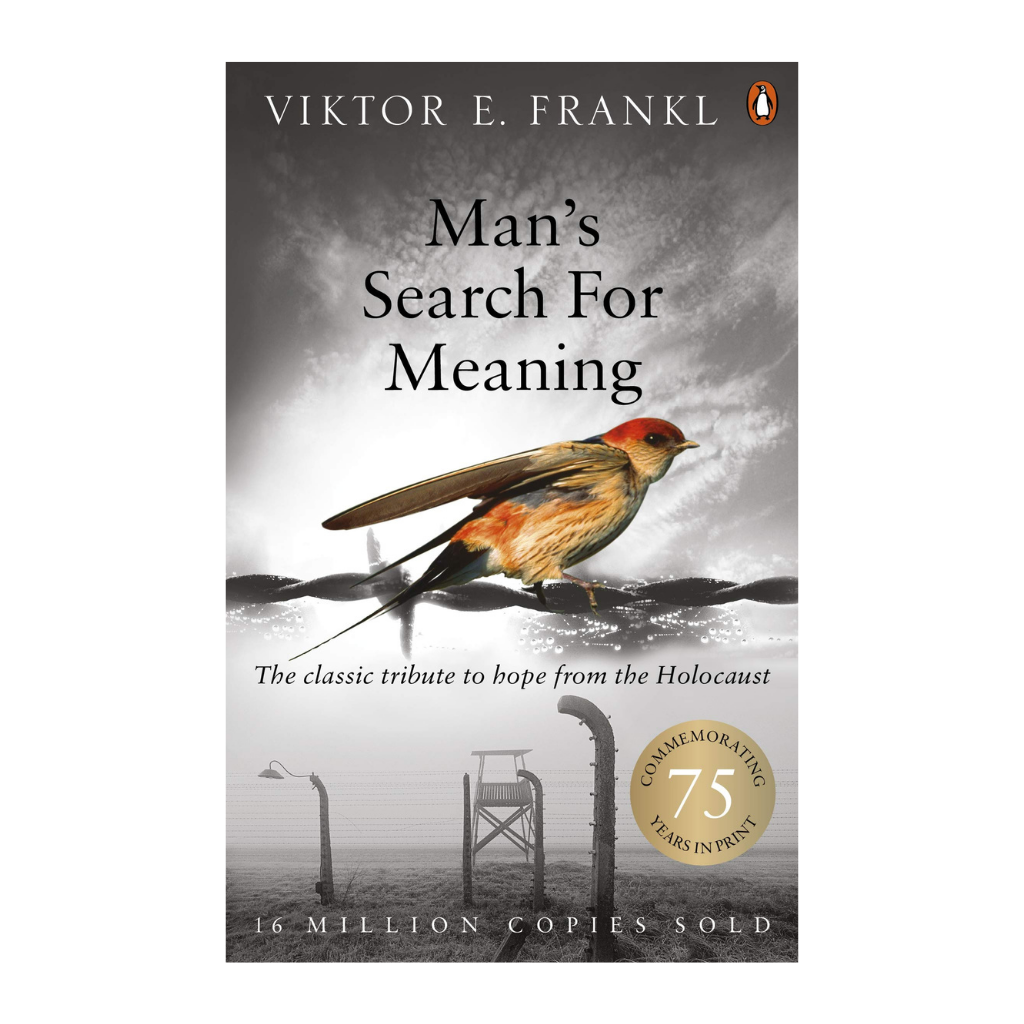
This is a deep and heart wrenching account of how, despite all the odds, man can still find meaning in the darkest of times. This is a must read for anyone interested in purpose. Here’s one takeaway: if you have a good ‘why’, you can experience almost any ‘how’.
Rockefeller understood this instinctively, he spent his life doing things he cared about more than himself. Whilst I wouldn’t recommend having the same “cares” as him – “building an oil monopoly” is quite a good way to get cancelled in 2026 – I would encourage you to take a leaf out of his book and prioritise work as a place to seek fulfilment. You don't need to build an empire to prove the point – sometimes all it takes is a £20 salary and a night in jail.
Arrested, broke, fulfilled
Richard Branson wanted to start a student magazine whilst he was at boarding school. He was told by his uncompromising headmaster:
“You can either stay here and focus on your studies, or you can get out and start your magazine.” He would continue his uncompromising speech by telling Richard, “you’ll either end up in prison or a millionaire.”
Branson left school right away and started his magazine with some friends in London where they were all paid equally £20 per week. Before long they were selling ad space, offering sexual health advice and starting a mail order record business catering to younger people.
Once the mail order record business took off, they started to look for shops. Rent is expensive and young people famously don’t have much money – so they had to find a way to cut costs. Someone came up with the ingenious, but illegal, solution of driving the records to the UK port, getting the paperwork stamped for Europe export, avoiding the 33% tax and then bringing them right back to the UK to sell domestically. Before long the authorities caught up – Richard spent a night in jail and Virgin had a large fine to pay which was covered by his parents mortgaging their house.
I imagine his headmaster felt righteous when he saw that Branson had been arrested for not paying tax on imported records. He probably even thought, “if you’d listened to me and focused on studying, you’d be making more than £20 per week.”
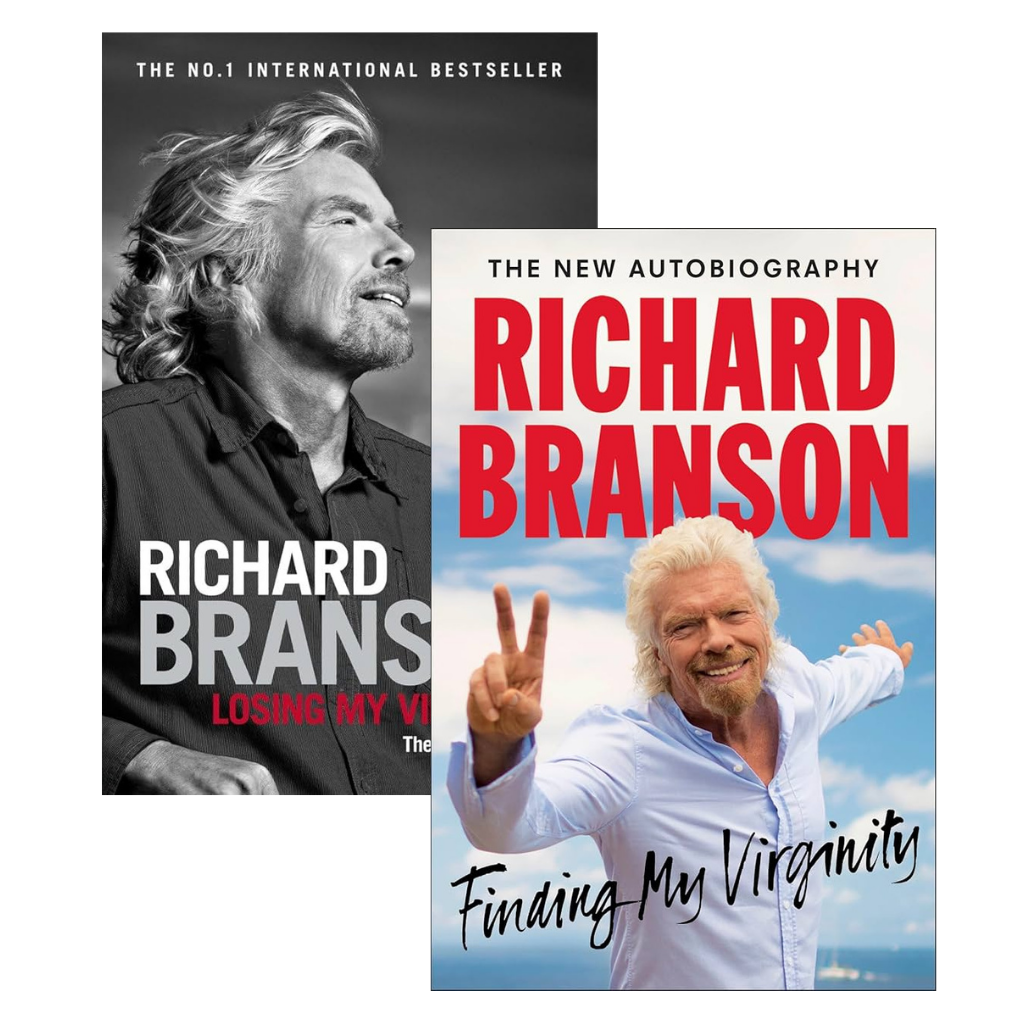
Genuinely well written, funny and insightful. You have to read these books if you are interested in starting your own business. My one takeaway for you: the world tells you to focus but Branson had 50 companies by the age of 33. Just because the world says it, it doesn’t mean it’s true.
The headmaster missed something. Branson was doing something he loved. If you watch any interview or documentary with him, he looks back on those years with such happiness in his eyes. Watching him, it’s clear that we so often get this backwards:
It's not: work hard, get rich, then find happiness.
It is: find what fulfils you. The money is a byproduct.
The only question that matters
I don’t believe in hell, but I do believe in an unfulfilled life. What is more hellish than knowing that one day all of this will end and that you spent it being unfulfilled?
Branson’s life sounded like hell – but it wasn’t, it was fulfilling. Rockefeller’s life wasn’t fulfilling because he was rich, it was because he spent time doing something he loved.
The man in the parable didn’t know he was in hell until he ran out of things to do. Many of us never reach that clarity despite living a ridiculously comfortable life in 2026. The question isn’t complex, it’s: what do you care about more than yourself?
Start here
Most of us spend more time choosing what to watch on Netflix than we do on what fulfils us at work. It’s not because the answer doesn’t exist, but because we don’t spend much time looking for it.
Figure out how aligned you are:
Cultural Alignment: what are your values and what are the values of your company? If they don’t match up, I’d be concerned about how much long-term success you can have there.
Task Alignment: when you reflect back through your last 12 months, what did you find fulfilling at work? How can you find more opportunities to do that?
Future Alignment: what work would you do if you were only paid £20 to do it?
Deepen Your Curiosity
John D Rockefeller’s Letters to his son is an excellent read – the letters were never meant to be published so they come across as very authentic.
Viktor Frankl’s Man’s Search for Meaning is one of the best books on meaning and a fulfilling life.
In the show Blue Zones on Netflix, it is clear that living a purposeful life will help you live longer.
If you want to learn more about Richard Branson I’d highly recommend his two autobiographies Losing My Virginity and Finding My Virginity. He also appears on a lot of podcasts such as DOAC.
