
The One Trait The Happiest People Share
Summary
Why taking responsibility - for everything - is the mindset shift that separates the happiest, highest performing people from everyone else:
Fault and responsibility are not the same thing, and confusing them keeps you stuck
“Learned helplessness” is the psychological trap of believing nothing you do will make a difference
The highest performers and happiest people share one trait: they always take responsibility
Whilst in pursuit of your dreams, you can’t always control what happens, but you can always control your perceptions and your actions
Keep Reading
“But it wasn’t my fault!” I tried to explain to my manager. “It doesn’t matter whose fault it is Patrick, it is now your responsibility to fix it.” Someone else had messed up and I now had to fix it.
“Sure. I’ll get it done”, I responded begrudgingly. “This is so unfair.” I thought to myself, as I walked back to my desk. “If this mistake wasn’t my fault then why am I responsible for it? I am not to blame here.”
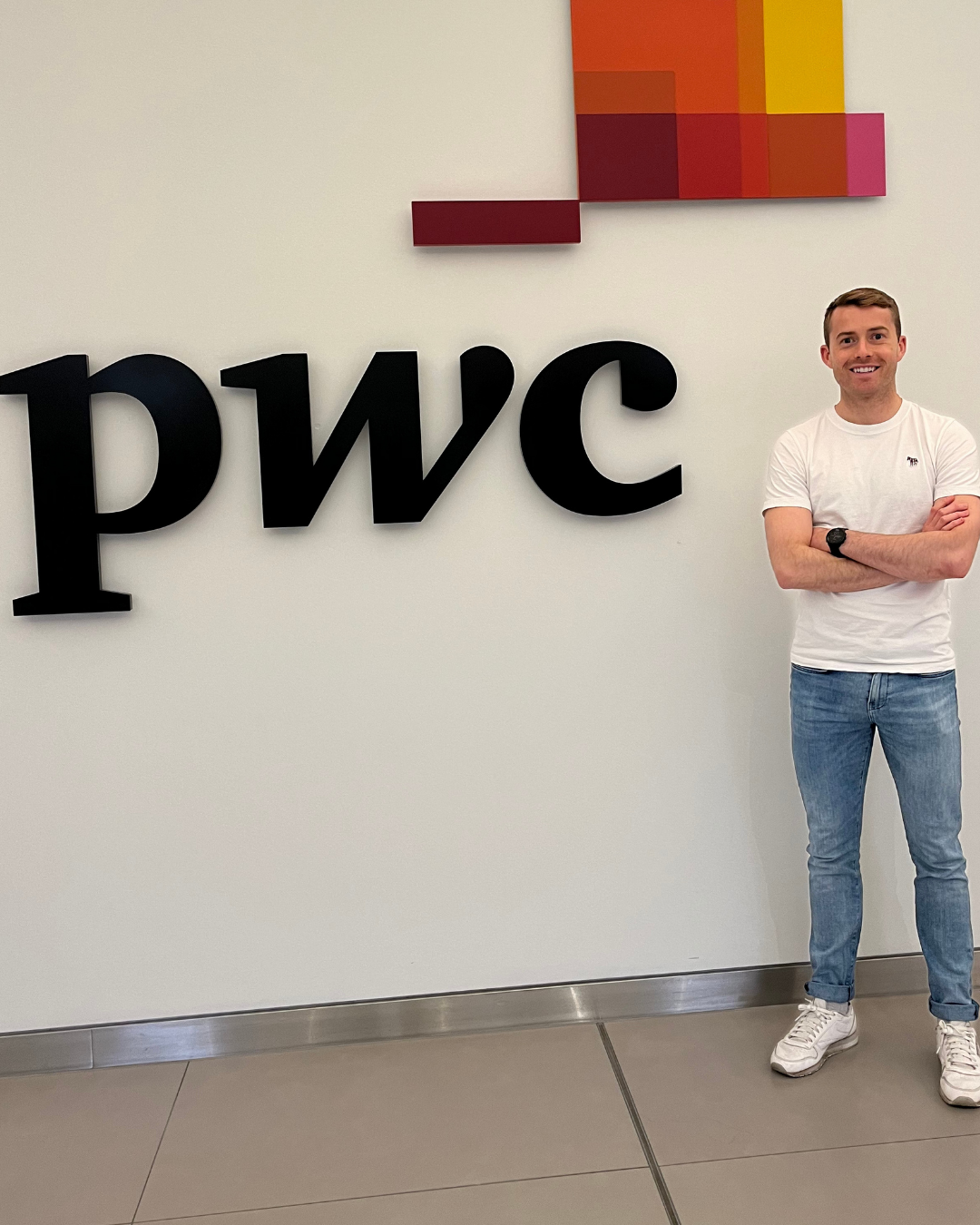
I look back on my time and PwC with fond memories: at times they were tough, long hours, but I also learnt so much from some amazing people!
5 years on and I now see that my manager was absolutely right. I was embodying in that moment, and in many other areas of my life at the time, the exact mindset that Jack wrote about last week - the victim. I used to think that life happened “against me” and that if I was responsible for something that had gone wrong, then I was also to blame for it. Therefore, if I wasn’t to blame, I couldn’t be responsible. I was wrong.
Since that day in the PwC offices in Dubai, I have learnt that one of the most powerful mindsets to adopt in order to be a true high performer and to be happier in this life of more meaning and purpose which you are creating is to take responsibility.
Why ‘it’s not my fault’ keeps you stuck
“Responsibility for what?” You might be thinking. “Responsibility for everything,” is my answer. You have worked all year for a promotion only for it to go to the guy who has only just joined the team - take responsibility. You prepare relentlessly for a pitch only for your co-presenter to mess it up and the client chooses your competitor instead - take responsibility. You feel that work is too busy for you to have any time to work on your side-hustle, your passion project - take responsibility. You don’t like how you look in the mirror and feel lethargic each day, but make excuses as soon as it’s time to workout - take responsibility.
“But none of these are my fault.” It doesn’t matter. Our survival instincts kick in when we are confronted with these setbacks and we hesitate to take responsibility, because we think, in the words of Mark Manson, “that to be responsible for your problems is also to be at fault for your problems.”
But this mindset holds you back, as it once did me. Why? We go around complaining, blaming and criticizing everyone and everything else for all the “bad” things that happen in our life and think that we have no power to change any of it.
This mindset is defined in psychology as “learned helplessness” and is developed in three stages:
Repeated negative experiences - the individual is confronted with perceived problems that they can’t control (setbacks, obstacles, failures - of which we will face many whilst in pursuit of our dreams).
Learning lack of control - they then begin to believe and tell themselves that nothing they could do would make a difference.
Relinquishing effort - even as potential opportunities arise to change their circumstances, they do nothing since they believe nothing they can do would make a difference.
This leads to low motivation and a sense of feeling stuck and powerless. Life, for this person, is happening against them. Sadly today, too many people are stuck in this mindset. They aren’t where they want to be in their life or career, and the world is both to blame and responsible.
Take responsibility
Something I have learnt through my life and in the work we do with high performing individuals and teams all across the world, is that one of the most consistent traits of the greatest leaders, highest performers and genuinely happiest people we know is that they all always, always take responsibility.
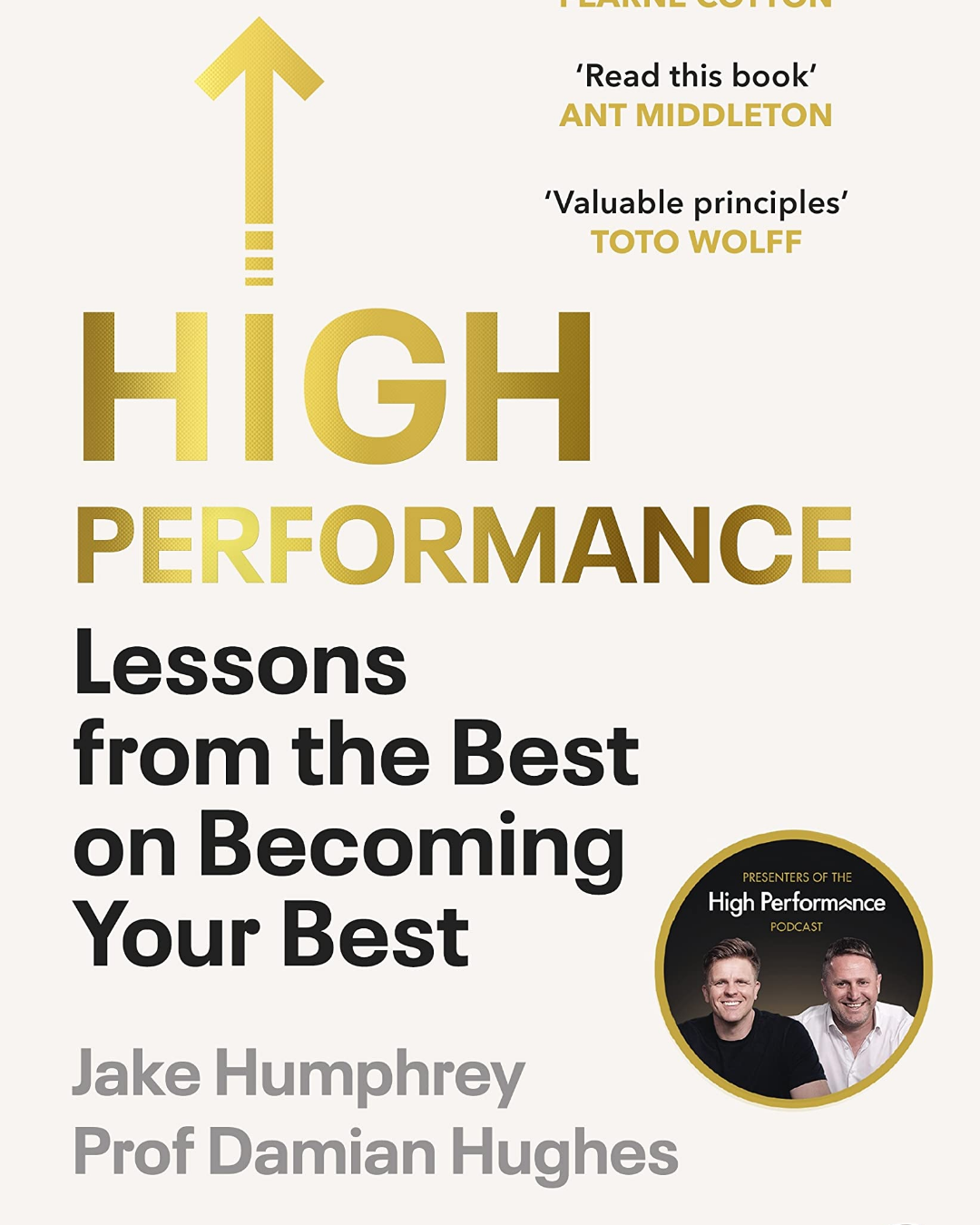
“Sometimes it is not our fault.” I read this in this awesome book. I’d also highly recommend listening to their podcast (my favourite is with Tom Daley - British Olympic diver.)
An observation shared by Jake Humphrey and Damian Hughes in their book High Performance: Lessons from the Best on Becoming Your Best. “Sometimes it is not our fault,” Humphrey and Hughes write, “but it is always our responsibility for how we respond.”
The new guy got the promotion and not you. Okay, what could you have done better? How can you improve? Who do you need to speak to understand what more you can do in order to get the promotion next year?
Your co-presenter messed up the pitch and you didn’t win the work. Okay, what other opportunities are out there? How will you as a team be better in your preparation and delivery next time?
You can’t find the time to work on your side-hustle, your passion project because work is “too busy”. Okay, where are you wasting time and how can you be more efficient? What boundaries do you need to put in place?
It is a subtle shift - to move from blaming the world around you to taking responsibility - but an incredibly powerful one. As the American Brain Coach Jim Kwik once put it: “With great power comes great responsibility and with great responsibility comes great power.”
Two things you can always control
And the truth is, you and only you are responsible for your life. You can choose to look outward and cast blame on people and circumstances to defend why your life isn’t as you’d like it to be. Or you can look inward and focus on the two things which you can always control:
Your perceptions - how you choose to interpret the events that happen in your life.
Your actions - how you choose to respond to those events.
We can perceive every undesirable event in our life as evidence of life “happening against us”, or we can perceive these events as opportunities to learn and grow through. We can choose to take no action, to sit there spending our precious, limited mental energy blaming, complaining and criticizing when things go wrong. Or we can choose to use that energy to take bold action in striving to make things better - to live a more meaingful, fulfilling life. Taking responsibility doesn’t mean pretending that everything is fine, it means choosing how we respond.
In order to begin solving our problems and improving the parts of our life we are currently dissatisfied with, we first need to take responsibility for them - regardless of whether or not we are to blame.
And as we begin to take more responsibility in our lives, it is at first uncomfortable, there is some initial resistance, but eventually we arrive at a freedom. A freedom unlocked by the realisation that no matter what happens in our life, we have the power to choose how we respond.
So, what problem in your life can you take responsibility for? And what will you do to change it?
Deepen Your Curiosity
I recently finished Mark Manson's The Subtle Art of Not Giving a F*ck which provided great inspiration for this blog. If what you read above resonated, that book is a great next step. But be prepared, Manson isn’t afraid to say it how it is!
Jake Humphrey and Damian Hughes' High Performance: Lessons from the Best on Becoming Your Best is a great insight into the mindsets and behaviours of the world's most remarkable athletes, coaches and entrepreneurs. A classic for anyone passionate about high performance.
